
Pulses, explained
What is chana?
Chana is a South Asian name for chickpeas. Our menu uses the ingredient three ways: with potatoes in Aloo Channa, as the focus of Kabuli Channa, and in the sauce for Swadilo Chicken or Lamb.
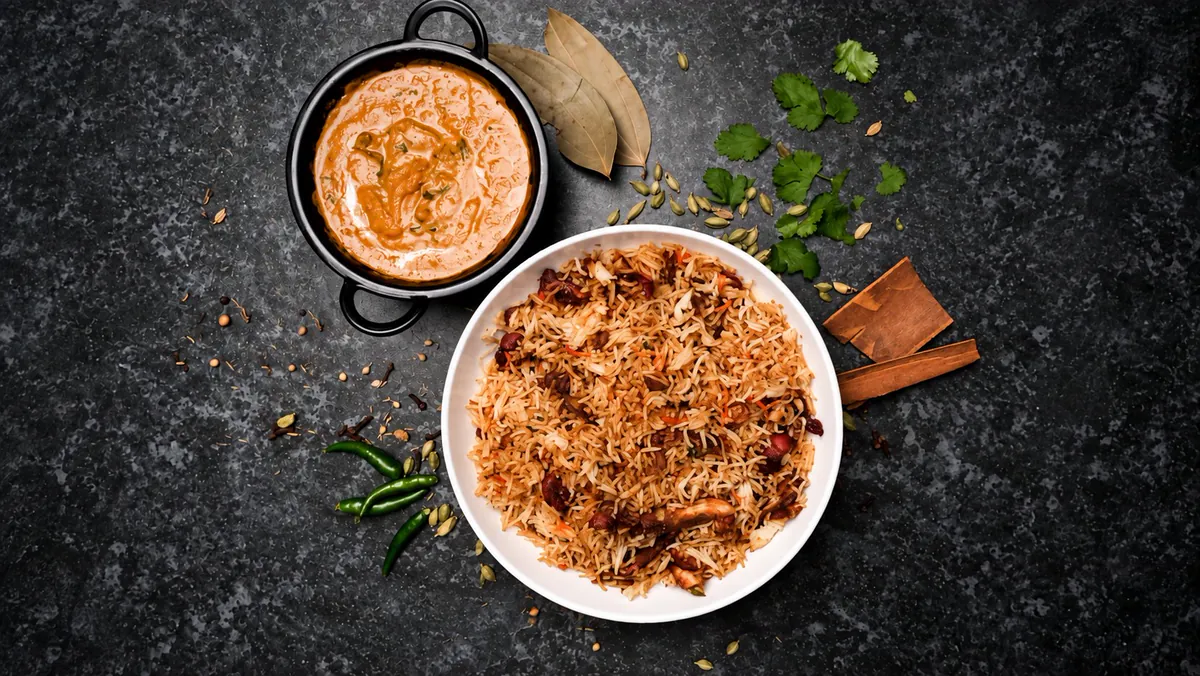
ChanaA common name for chickpeas
Three menu dishesAloo, Kabuli and Swadilo
Two vegetable choicesMarked vegetarian and gluten-free
Chana means chickpea in common South Asian food vocabulary. Chickpeas are the dried edible seeds of Cicer arietinum and count as pulses. At The Great Kathmandu, Aloo Channa combines potatoes and chickpeas; Kabuli Channa centres chickpeas; Swadilo Chicken or Lamb adds chickpeas to a special sauce.
- Ingredient
- Chickpea
- Botanical name
- Cicer arietinum
- Food group
- Pulse and legume
- Vegetable dishes
- Aloo Channa and Kabuli Channa
- Meat dish
- Swadilo Chicken or Lamb
- Heat ratings
- None printed for these three dishes
What kind of food is a chickpea?
Kew identifies the chickpea as Cicer arietinum, an annual plant in the pea and bean family. The edible chickpea is a seed that develops inside a pod. Kew describes its likely domestication within the Fertile Crescent, while noting that the cultivated plant is not known in the wild and that evidence points to a related wild progenitor.
The UN Food and Agriculture Organization defines pulses as dry edible seeds of leguminous plants and explicitly includes chickpeas. This distinguishes dried chickpeas from legumes harvested green as vegetables. Chickpeas may be cooked whole, split, roasted or milled into flour, but one form should not be inferred from the word “chana” alone.
They have travelled through food cultures for thousands of years. That long history explains the many names and preparations better than any claim that there is one definitive chickpea dish.
What do chana, channa and Kabuli chana mean?
Chana and channa are spelling variants used in English-language menus. A joint FAO and ICARDA report distinguishes Kabuli chickpeas as comparatively large, rounded and cream or beige, while desi chickpeas are generally smaller, angular and darker. These are broad market classes with variation inside them, not guaranteed finished recipes.
Our menu spells the potato dish Aloo Channa and the chickpea-focused dish Kabuli Channa. Preserving those names is more accurate than forcing one transliteration. “Aloo” signals potato; our Nepalese and Indian food guide explains why reading the description remains more useful than decoding a name in isolation.
Chana names the chickpea; the other words tell you what kind of dish the menu has built around it.
How do you choose between them?
Choose Aloo Channa when you want the soft comfort of potatoes alongside chickpeas. Choose Kabuli Channa when the pulse itself should be the focus, with the option of a side or main portion. Choose Swadilo when you want chicken or lamb with chickpeas integrated into the sauce.
All three can sit naturally beside rice or bread, but the rest of the order should guide the decision. With two rich meat mains, a side of Kabuli Channa may add contrast. For a vegetarian table, Aloo Channa and another dish with a different vegetable can avoid repeating textures. Our ordering guide offers a simple sharing framework, while the dal guide distinguishes lentil dishes from other pulse dishes.
Are the chana dishes vegetarian, vegan or gluten-free?
Aloo Channa and Kabuli Channa are both marked vegetarian and gluten-free. Neither is marked vegan, so we do not claim that status despite their plant-based headline ingredients. Swadilo contains chicken or lamb and has no gluten-free marker.
A missing marker does not prove a dish unsuitable, and an ingredient category cannot reveal cooking fat, dairy or cross-contact. Tell the team about coeliac disease, allergies or vegan requirements before ordering. The Food Standards Agency recommends clear written information supported by a conversation. See our vegetarian and vegan guide for explicitly marked options.
Common questions about chana
Are chana and chickpeas the same?
Yes in common menu usage. “Chana” may also be qualified to indicate a type or preparation.
Is chana the same as dal?
Chickpeas are pulses, but our chickpea dishes are not labelled dal. Dal can refer to split pulses and dishes made from them.
Are the chana dishes hot?
None of these three dishes has a printed heat marker. Ask the team if chilli sensitivity matters.
Can Kabuli Channa be a side?
Yes. It is offered at £6.95 as a side or £9.95 as a main at publication.
Source notes
Reviewed 19 September 2026. Where this guide mentions our restaurant, details are checked against the current dine-in menu. Wider cultural, historical and ingredient claims are checked against the cited sources below. How we research and correct our guides.
- The Great Kathmandu dine-in menu, consulted 18 September 2026, for restaurant-specific descriptions, prices, portion options and dietary markers.
- Kew Science, Plants of the World Online: Cicer arietinum, for botanical identity and qualified domestication history.
- UN Food and Agriculture Organization: Pulses and nutrition, for the definition of pulses and inclusion of chickpeas.
- FAO and ICARDA: Pulses and their by-products as animal feed, for the general distinction between Kabuli and desi chickpea market classes.
- Food Standards Agency: allergen information for non-prepacked food, for UK restaurant allergen-information context.
Try chana in West Didsbury.
Book our family-run restaurant, established in 1986, or order delivery directly from us.